
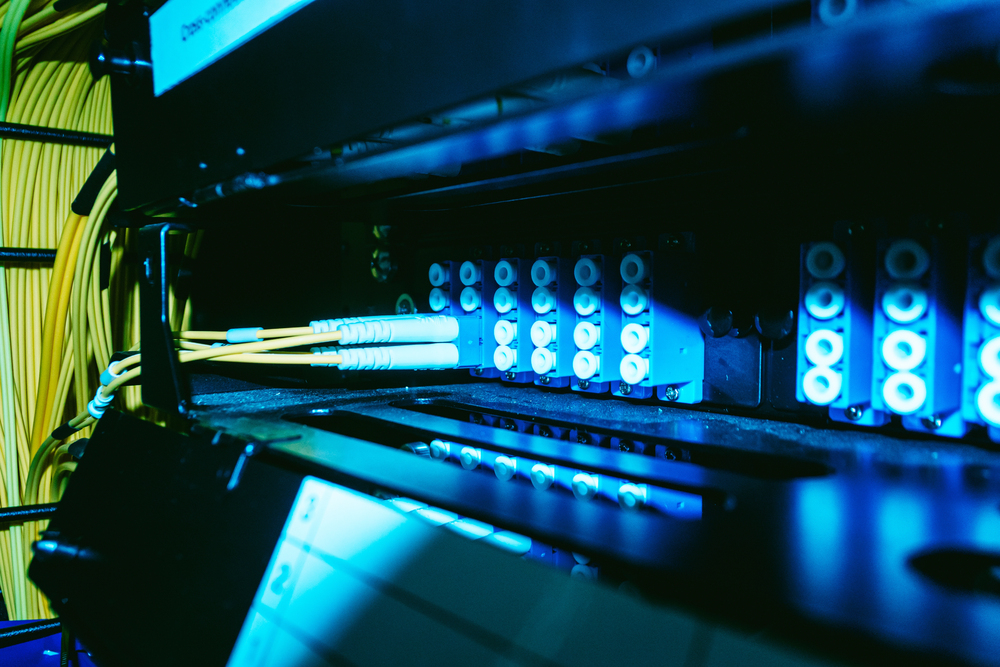
Reliable connectivity is essential for businesses that depend on fast communication, cloud-based applications, and efficient daily operations. Whether you’re upgrading outdated infrastructure, expanding your facility, or constructing a new commercial building, a well-planned fiber optic cabling project can make a significant difference in your network’s performance and reliability. At ADD Communications, we understand that successful installations begin long before the first cable is placed. Asking the right questions can help you avoid unnecessary expenses, minimize disruptions, and build a network that supports your long-term goals.
If you’re preparing to upgrade your business’s network infrastructure, we’re here to help. Call ADD Communications at 336-317-4658 to discuss your fiber optic needs and explore the best solutions for your facility.
1. What Are Your Business’s Current and Future Network Needs?
Before starting any fiber optic installation, it’s important to understand what your network needs to accomplish. A system that supports your business today may not be sufficient as your operations expand, your workforce grows, or your technology requirements change.
We recommend evaluating several factors before making decisions about your infrastructure:
- Current network performance: Are slow connections, limited bandwidth, or frequent interruptions affecting productivity?
- Number of connected devices: How many computers, phones, security systems, and other devices depend on your network?
- Future expansion: Are you planning to add employees, equipment, buildings, or locations?
- Technology requirements: Will your business rely more heavily on cloud applications, video conferencing, or other bandwidth-intensive systems?
Effective fiber optic network design considers both your immediate needs and future growth. By planning ahead, we can help businesses avoid infrastructure limitations that may lead to expensive upgrades later.
2. What Type of Fiber Optic Cabling Is Right for Your Project?
Not all fiber optic cables are designed for the same applications. Choosing the appropriate cable type is an important part of creating a network that performs efficiently and meets your facility’s requirements.
Two common options include:
- Single-mode fiber: Designed for longer transmission distances, making it suitable for connecting buildings, supporting large campuses, and handling long-distance network connections.
- Multimode fiber: Commonly used for shorter-distance connections, such as those within buildings, equipment rooms, and certain local network environments.
The right choice depends on factors such as transmission distance, equipment compatibility, bandwidth requirements, and installation conditions.
When planning commercial fiber optic cabling, we help businesses consider these factors so their infrastructure aligns with their operational needs. Selecting the right cabling from the beginning can improve network efficiency and reduce the likelihood of unnecessary modifications.
3. What Will the Fiber Optic Installation Process Involve?
Understanding what happens during installation helps businesses prepare their facilities, coordinate schedules, and minimize disruptions.
Although every project is different, the fiber optic installation process generally involves several important stages:
- Initial site assessment: Evaluating the building layout, existing infrastructure, and network requirements.
- Project planning: Determining cable routes, equipment locations, materials, and installation methods.
- Site preparation: Identifying or preparing pathways, conduits, and access points for the cabling.
- Cable installation: Running fiber optic cables through designated pathways while following appropriate installation practices.
- Termination and connections: Preparing and connecting cables to the necessary network equipment and components.
- Testing and verification: Checking the completed installation to confirm that it meets project specifications.
We know that network improvements shouldn’t create unnecessary interruptions to your business. That’s why careful planning and communication are essential throughout the installation process.
By understanding the scope of work in advance, businesses can better coordinate access to work areas, prepare employees, and establish realistic expectations for project completion.
4. How Much Will the Fiber Optic Cabling Project Cost?
Budget is an important consideration for any network infrastructure improvement. However, fiber optic installation cost can vary significantly depending on the size, complexity, and specific requirements of the project.
Several factors can influence the total investment:
- Cable distance: Longer cable runs generally require additional materials and labor.
- Cable type: Different fiber optic cables and components have varying costs.
- Building layout: Complex structures, limited access, or difficult installation pathways may increase labor requirements.
- Existing infrastructure: Available conduits and cable pathways may simplify installation, while new pathways can add to the scope.
- Equipment and testing: Connectors, termination hardware, testing, and other components contribute to the overall cost.
While it may be tempting to choose the lowest initial estimate, we encourage businesses to consider long-term network performance and reliability.
A properly planned and installed fiber optic network can help reduce future maintenance concerns, support business growth, and minimize costly connectivity problems.
Before moving forward, we recommend discussing your project requirements with an experienced professional and requesting a detailed estimate that clearly outlines the proposed work.
5. Are There Specific Installation Requirements or Building Considerations?
Every commercial property presents unique installation challenges. From older office buildings to large industrial facilities, the physical environment can affect how fiber optic cabling is installed.
Understanding fiber optic cable installation requirements early in the planning process can help prevent unexpected delays and complications.
Important considerations include:
- Existing cable pathways: Are there usable conduits, cable trays, or other routes available?
- Indoor versus outdoor installation: Will cables run entirely inside the building, or will they need to connect separate structures?
- Building accessibility: Are ceilings, walls, equipment rooms, and other installation areas easily accessible?
- Environmental conditions: Will cables be exposed to moisture, temperature changes, or other conditions that require specialized materials?
- Codes and standards: What building codes, safety requirements, and applicable installation standards must be followed?
For businesses connecting multiple buildings, additional planning may be necessary to address underground pathways, outdoor cable protection, and the distances between facilities.
We believe a thorough site assessment is one of the most valuable steps in preparing for installation. By identifying potential challenges beforehand, we can help businesses develop practical solutions and avoid preventable complications.
6. How Will the Fiber Optic Network Be Tested After Installation?
Installing fiber optic cables is only part of the process. Once installation is complete, the network should be properly tested to verify that connections meet the required performance specifications.
Fiber optic cable testing helps identify potential problems before they interfere with daily business operations.
Depending on the project, testing may include:
- Optical loss testing: Measuring signal loss across a fiber optic connection to determine whether it meets acceptable performance limits.
- Optical time-domain reflectometer (OTDR) testing: Evaluating fiber characteristics and helping identify potential faults, excessive loss, or connection issues.
- Connection inspections: Checking connectors and termination points for contamination, damage, or other concerns.
- Performance documentation: Recording test results to provide a reference for future maintenance and troubleshooting.
Even a small installation issue can affect network performance. Improper connections, excessive cable bending, or damaged components may lead to signal loss and unreliable connectivity.
We emphasize the importance of testing because a completed installation should do more than look organized. It should deliver the dependable performance your business needs.
Proper documentation can also make future troubleshooting and network maintenance more efficient.
7. How Do You Choose the Right Fiber Optic Installation Contractor?
Choosing the right professional is one of the most important decisions you’ll make during your project.
An experienced fiber optic installation contractor should understand the technical requirements of commercial networks while also recognizing the importance of scheduling, communication, and minimizing operational disruptions.
Before selecting a contractor, we recommend asking:
- What experience do you have with commercial installations? Look for a company familiar with projects similar to yours.
- Can you evaluate our existing infrastructure? A knowledgeable contractor should be able to identify potential limitations and recommend appropriate solutions.
- What installation and testing procedures do you follow? Understanding quality assurance practices can help you evaluate the proposed work.
- How will you manage the project timeline? Clear communication about scheduling and potential disruptions is essential.
- Do you offer maintenance and repair services? Ongoing support can be valuable as your network needs evolve.
The right contractor should be focused on more than simply installing cables. They should understand how your network supports your business and help you make informed infrastructure decisions.
At ADD Communications, we recognize that dependable communication systems are essential to keeping businesses connected and productive.
Why Choose ADD Communications for Your Fiber Optic Cabling Project?
At ADD Communications, we understand that your network infrastructure plays an important role in your business’s daily operations. Whether you’re upgrading an existing system, expanding into a new facility, or planning a larger infrastructure improvement, we’re here to help you navigate the process.
Our services include fiber optic solutions, structured cabling systems, cable construction, and network maintenance, allowing us to support a variety of commercial communication needs.
When you work with us, you benefit from our focus on:
- Business-focused solutions: We consider your facility’s layout, network requirements, and operational goals when discussing infrastructure options.
- Comprehensive cabling services: Our capabilities extend beyond fiber optics to include structured cabling and other communication infrastructure services.
- Careful project planning: We understand the importance of identifying installation requirements and potential challenges before work begins.
- Reliable network performance: We focus on helping businesses establish dependable connectivity that supports their daily operations.
- Long-term infrastructure support: Our network maintenance services can help businesses address ongoing communication system needs.
We know that every business has different connectivity requirements. That’s why we believe in taking the time to understand your goals and helping you identify solutions that make sense for your facility.
From initial planning through installation and future maintenance needs, our goal is to help businesses build communication infrastructure they can depend on.
Start Your Fiber Optic Cabling Project With Confidence
A successful fiber optic cabling project begins with asking the right questions. From understanding your network requirements and selecting appropriate cables to evaluating installation costs, building conditions, and testing procedures, every decision contributes to the performance and reliability of your finished network.
At ADD Communications, we’re committed to helping businesses make informed decisions about their communication infrastructure. With thoughtful planning and professional installation, you can create a network that supports your operations today while preparing for future growth.
Ready to take the next step? Call ADD Communications at 336-317-4658 to discuss your fiber optic cabling needs and learn how we can help you plan your next project.
For more fiber optic tips and information, be sure to follow us on Facebook.